Our view on microdosing with psilocybin
Happiness sells, and often microdosing is sold as such: a happy pill. And even though it’s partly true, there is […]
Happiness sells, and often microdosing is sold as such: a happy pill. And even though it’s partly true, there is […]
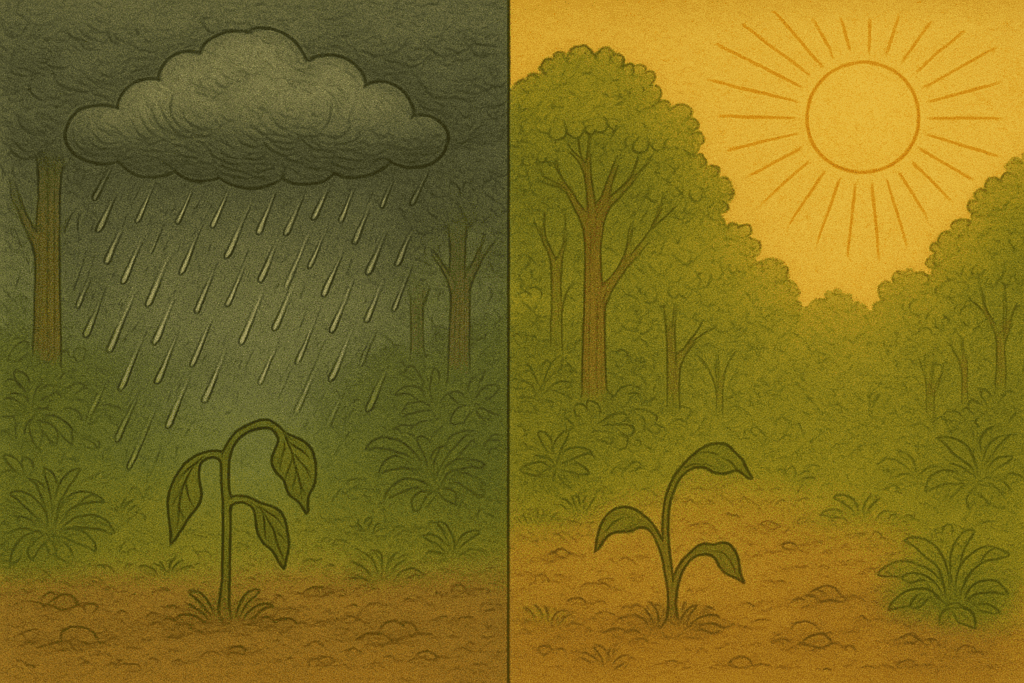
Plant medicine journeys with psilocybin are often celebrated for their transformative power, but not every experience meets expectations. Disappointing ceremonies are also a possibility, and can arise from factors like dosage, mindset, age, or emotional connection. Understanding and embracing these challenges with self-reflection and compassionate curiosity can turn disappointment into growth. This blog explores why some journeys feel lacking and offers insights on how to reframe and learn from difficult experiences for deeper healing.
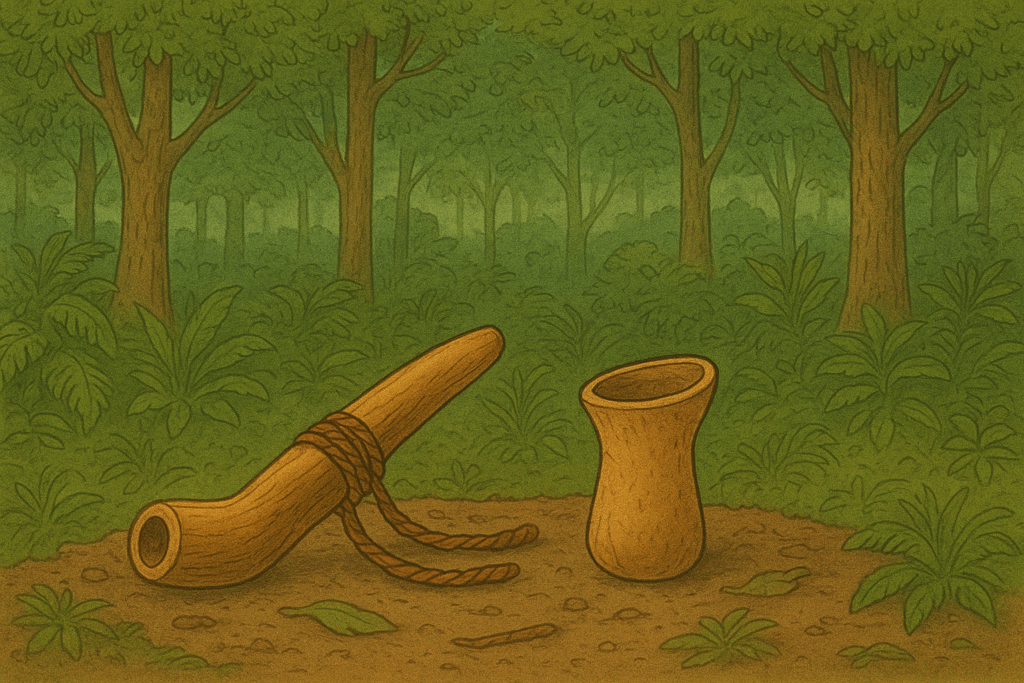
The term “Rapé” originates from the Portuguese word for “snuff,” and refers to a potent shamanic snuff used in indigenous healing traditions. This powdered blend of medicinal herbs, often including tobacco—specifically Nicotiana rustica or “mapacho”—has been revered for centuries by indigenous cultures of the Americas. Unlike modern tobacco use, “Rapé” is traditionally administered through the nose during ritualistic ceremonies aimed at healing, cleansing, and enhancing spiritual awareness. At Krakti, we honor the sacred nature of Rapé and offer it as an optional aid in psilocybin journeys, ensuring participants understand its cultural significance and can make informed choices.
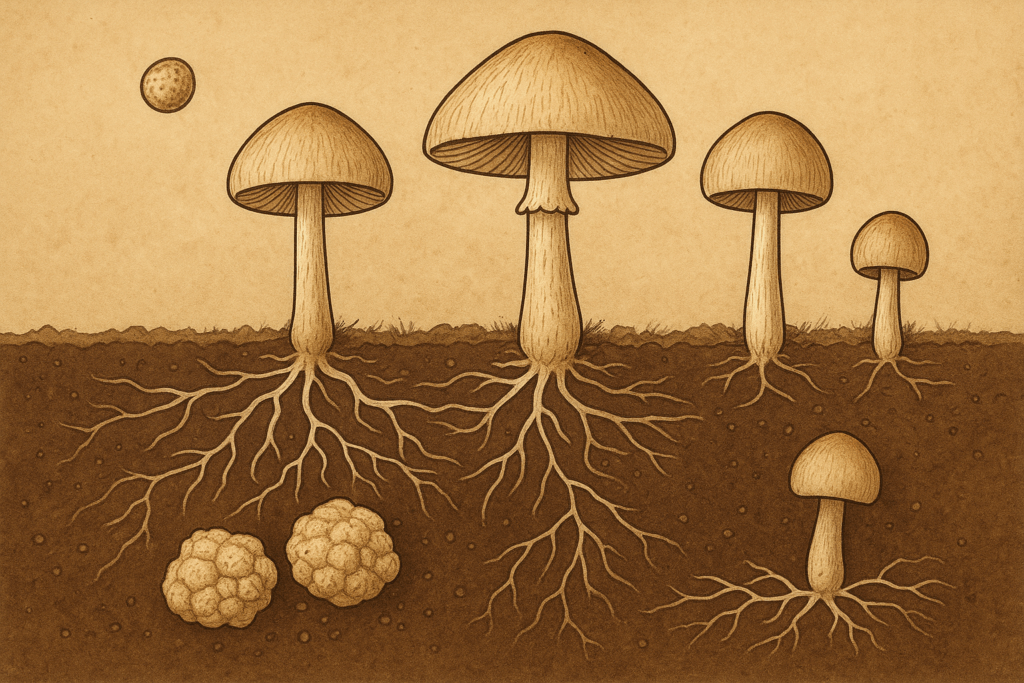
Curious about the legality of psilocybin in the Netherlands? While magic mushrooms have been illegal since 2008, psilocybin-containing truffles remain legal and widely used for their healing and spiritual benefits. Discover the fascinating history, current regulations, and therapeutic potential of these powerful natural medicines in our in-depth guide.